Senate President Tim Vonville gave the State of the Senate Address on March 12, 2008 in the Leadership Center at Baker Student Center.
In his hour-long speech, Vonville relayed Senate accomplishments of the year with the purpose of addressing both adversity and triumph.
One of the biggest accomplishments of Student Senate this year has been the success in securing more funds for student projects through the Five-Year Academic Action Plan. The group has succeeded in asking the OU Board of Trustees for a $100,000 increase in student programming.
Challenged by Will Klatt, head of Students for a Democratic Society (SDS), on the meaning of "shared governance," Vonville used the cooperation of administration and Senate in securing the additional student program funding as just one of the many examples of shared governance that has been executed this year by Senate.
Other initiatives mentioned were developing a waivable health fee to help pay for improvements to the university health center, Pride Week, Beautification Day and Take Back the Night. Not specifically cited, but a current work in progress, is the issue of university employee lay-offs and Senate's commitment to supporting the staff that enables all student's a clean and safe living experience on campus. (See Youtube video below).
Student Senate works hard to represent students on campus and work hard to ensure the best experience possible at Ohio University.
Additionally, Student Senate has also been working on a mentoring program for international students in addition to a diversity awareness month.
Challenges to this year's body have included the impeachment of their vice president, senator resignations and the Student Trustee Committee.
The 2007-2008 Executive Board
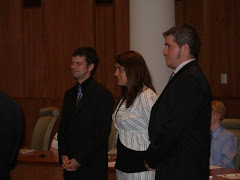
Will Wemer, Treasurer; Amanda Roder, Vice President; and Tim Vonville, President
Wednesday, March 19, 2008

Impeachment of Student Senate Vice President, Amanda Roder
After a two hour discussion in executive session, senators voted to impeach the Vice president on two of five charges presented.
Had Roder been in violation of the fifth charge, gross of willful neglect of duty, she would have been removed from office.
Roder was found not guilty of violating rules concerning the makeup of the Student Trustee Selection Committee.
Impeachment began by senators filing a complaint with the Conduct and Discipline Committee. The committee then found sufficient evidence to find the Vice President guilty and presented the report to the entire senate, who then discussed the possible impeachment.
Having sat through this meeting and participating directly in the discussion, the issue came down to one of accountability.
As Academic Affairs Commissioner Chris Diehl said, "Senate was holding people responsible for their actions."
Sanctions were announced two weeks later in the form of public censure, probation and suggestion to the Senior Emeritus Committee that the Vice President be ineligible despite her 4- year involvement with Student Senate.
Tuesday, March 11, 2008
My Role as a Student Senator
As a Senator on Ohio University's Student Senate, I have the specific duty to represent my constituents-Ohio University students- by voting on and proposing legislation addressing their needs and concerns. I am required to attend all Senate meetings, Commission meetings and official Senate functions. I have had the responsibility of establishing contacts within my constituency and campus organizations as outlined by our code of Rules and Procedures. It's expected that I maintain and attend at least 4 office hours a week and that I keep up with current university news and prevalent issues on campus.
As a Senator on the University Life Commission it is my role to address issues that do not fall under the jurisdiction of other commissions, including, but not limited to health services, Intercollegiate Athletics, Greek community issues, technology issues and other issues affecting the general university community. For more information on each Commissions responsibilities see mystudentsenate.com for details.
As a Senator on the University Life Commission it is my role to address issues that do not fall under the jurisdiction of other commissions, including, but not limited to health services, Intercollegiate Athletics, Greek community issues, technology issues and other issues affecting the general university community. For more information on each Commissions responsibilities see mystudentsenate.com for details.
Subscribe to:
Posts (Atom)
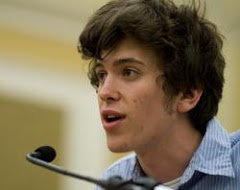
Will Klatt, Head of Students for a Democratic Society

2007 Election


